Both white label vodka and услуга за изработване на частна марка, involve outsourcing production to an existing distillery, but they differ in branding, exclusivity, customization, and control over the product. Below is a deep comparison of these two concepts.
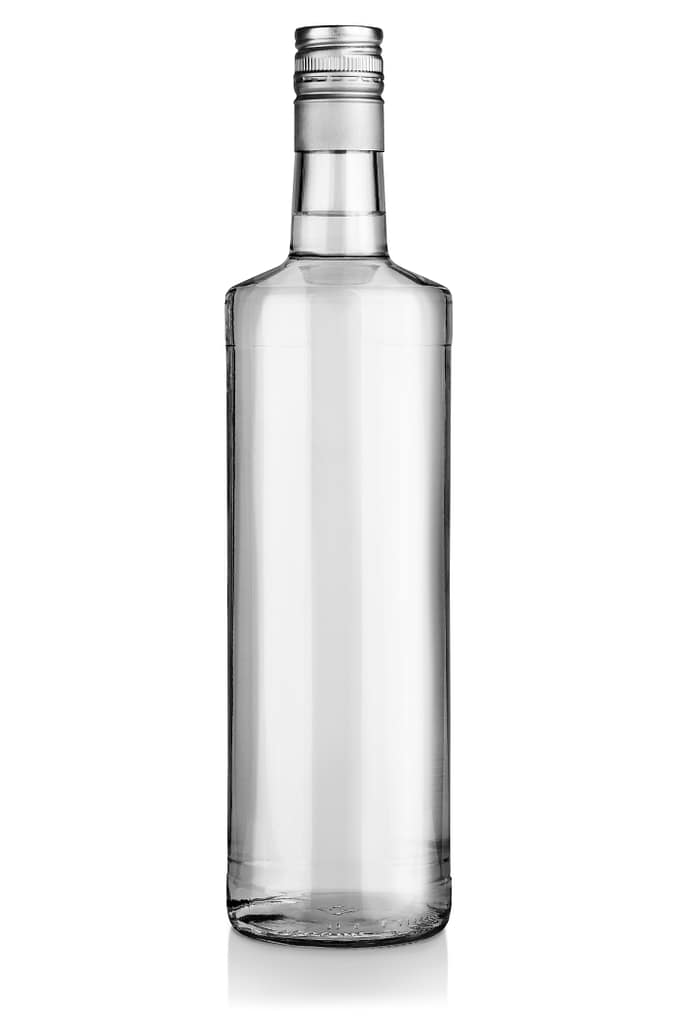
We only need to put your label on the glass bottle and you are ready to go!
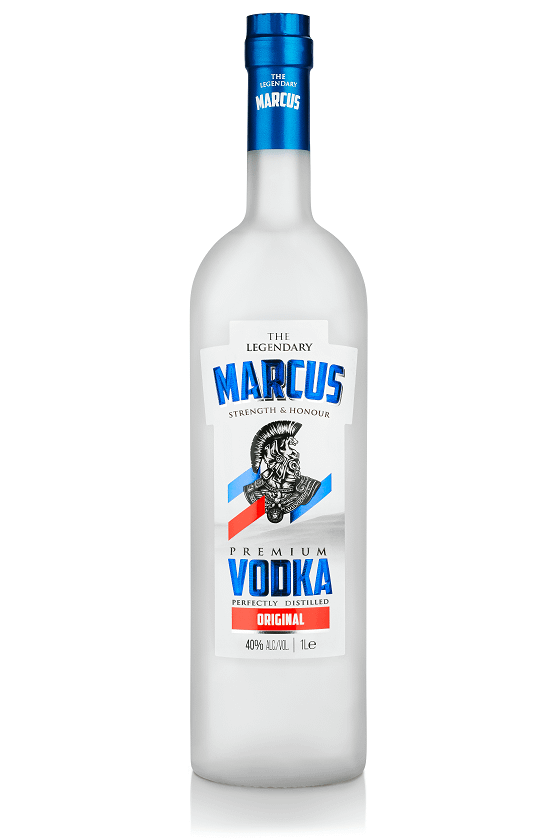
From where shall we start!
1. Definition & Core Concept
| Aspect | White Label Vodka | Частна марка |
|---|---|---|
| Definition | A generic vodka produced by a distillery that multiple businesses can rebrand as their own. | A vodka produced specifically for one brand, retailer, or company with exclusive rights. |
| Branding | Different businesses can sell the same vodka under different names with minimal changes. | The vodka is exclusively branded for a single retailer, celebrity, or business. |
| Control Over Formula | Limited—usually, the distillery provides standard vodka formulations with little to no customization. | High—clients can often customize distillation methods, base ingredients, flavor profile, and bottle design. |
Summary: White label vodka is more of a pre-made product available for multiple businesses to put their branding on, while private label vodka is a custom-made product for a specific brand.
2. Customization & Exclusivity
| Aspect | White Label Vodka | Частна марка |
|---|---|---|
| Exclusivity | No exclusivity—multiple brands can sell the same vodka with different labels. | Exclusive to one brand—no other company can sell the exact same vodka. |
| Customization | Low—usually limited to packaging and labeling. | High—brands can select ingredients, filtration process, ABV (alcohol by volume), and even packaging details. |
| Bespoke Production | No—distilleries offer the same vodka formula to many clients. | Yes—brands work with distilleries to develop unique formulas. |
Summary: Private label vodka allows a company to create a unique product, whereas white label vodka is more of a “plug-and-play” solution.
3. Quality Control & Production Involvement
| Aspect | White Label Vodka | Частна марка |
|---|---|---|
| Product Quality Control | Controlled by the distillery with little input from the branding company. | The brand has significant input on quality control and can request lab testing, organic certification, or other quality measures. |
| Distillery Selection | The distillery offers standard white label options, often with few choices. | The brand can select a distillery and negotiate production methods. |
| Ingredient Selection | Pre-determined by the distillery (e.g., wheat, rye, or corn-based vodka). | The brand can specify base ingredients (e.g., potato, grape, organic wheat, etc.). |
Summary: Private label vodka offers more quality assurance and involvement in production, while white label vodka is typically a standardized product.
4. Branding & Marketing Strategy
| Aspect | White Label Vodka | Частна марка |
|---|---|---|
| Marketing Positioning | Often marketed as affordable, store-brand, or generic vodka. | Can be positioned as premium, craft, or luxury vodka. |
| Brand Storytelling | Limited—most businesses resell the same vodka under different names. | Strong—companies can craft unique branding, emphasizing ingredients, production methods, and distillery partnerships. |
| Target Market | Bars, restaurants, small liquor brands, supermarkets. | High-end retailers, luxury brands, celebrities, and exclusive distributors. |
Summary: Private label vodka allows for a stronger, more unique brand presence, while white label vodka is more generic.
5. Cost & Business Model
| Aspect | White Label Vodka | Частна марка |
|---|---|---|
| Initial Cost | Lower—businesses can purchase pre-made vodka in bulk and apply their own branding. | Higher—customization, unique ingredients, and proprietary formulations increase costs. |
| Profit Margins | Lower, since multiple brands sell the same product. | Higher, especially if the brand successfully differentiates itself as premium or exclusive. |
| Production Flexibility | Quick and easy to enter the market. | Requires development time, testing, and strategic planning. |
Summary: White label vodka is an easier, lower-cost entry into the market, whereas private label vodka requires more investment but offers higher branding and profit potential.
6. Real-World Examples
- White Label Vodka Example:
- A liquor distributor buys vodka from a large distillery and sells it under different brand names to bars, small retailers, or event companies.
- Many supermarket vodkas (such as Kirkland Signature Vodka) are suspected to be white label versions of premium brands.
- Private Label Vodka Example:
- A luxury brand works with a high-end distillery to create a proprietary formula using a specific distillation method and water source.
- Some celebrity-owned vodka brands fall into this category, as they often work closely with distilleries to create exclusive recipes.
Final Conclusion: Which One is Better?
| Factor | Best Choice |
|---|---|
| Quick Market Entry | White Label Vodka |
| Brand Exclusivity & Premium Positioning | Частна марка |
| Lower Cost & Simplicity | White Label Vodka |
| Higher Profit Margins & Long-Term Brand Growth | Частна марка |
| Customization & Quality Control | Частна марка |
Final Thought:
If you want a fast, affordable way to enter the vodka market, white label vodka is the best option. But if you’re looking to build a strong, unique brand with premium positioning, private label vodka is the better choice.
 BG
BG  EN
EN